A sensory-friendly guide for travelers who crave slowness, scenery, & soft adventure
Disclosure: Some links may be affiliate links, which means I may earn a small commission at no extra cost to you. I only recommend what I genuinely love or would use myself.
Introduction: Why Switzerland Is Made for Slow Travel
If you’re craving slow travel Switzerland style— fresh air, quiet villages, and scenery that feels like a deep exhale— this country makes it surprisingly easy. Trains are calm and reliable, nature is always close, and even the cities have soft, walkable rhythms once you know where to go.
The goal of this itinerary is low-stimulation, high-meaning. Instead of trying to “do Switzerland,” you’ll ground into a few places and let the landscape do what it does best: regulate your nervous system.
Also, if you see people actually drinking water out of any fountain– yes this is a thing, and yes the water is potable unless it says otherwise.
Zurich: Calm Urban Wandering (2 nights)
Where to stay (quiet, stylish, walkable)
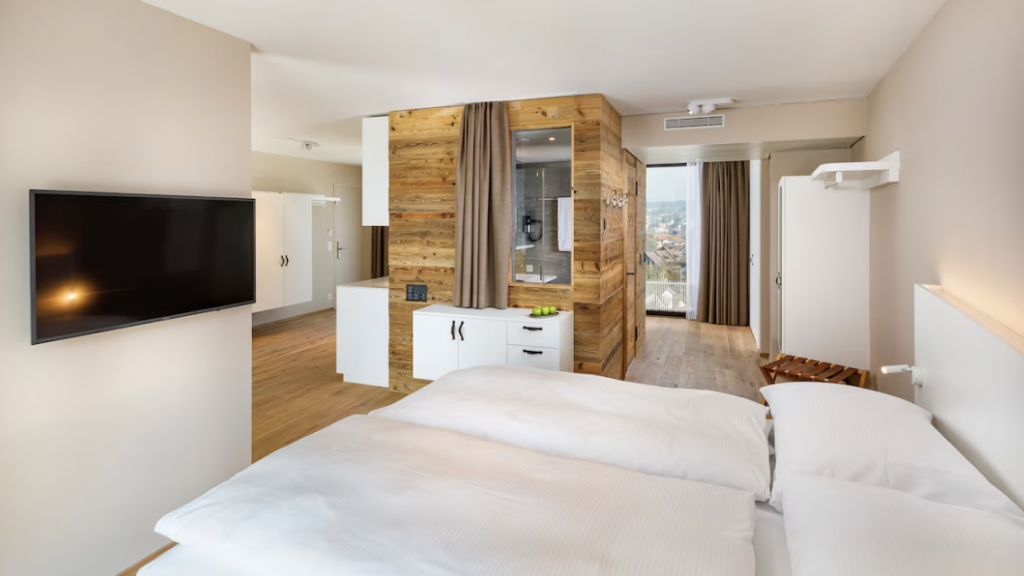
Near the Airport: Hotel Allegra Lodge Kloten Switzerland
Included breakfast, an airport shuttle, an on-site restaurant and nearby dining options makes this the most relaxing possible start to your Zurich trip.
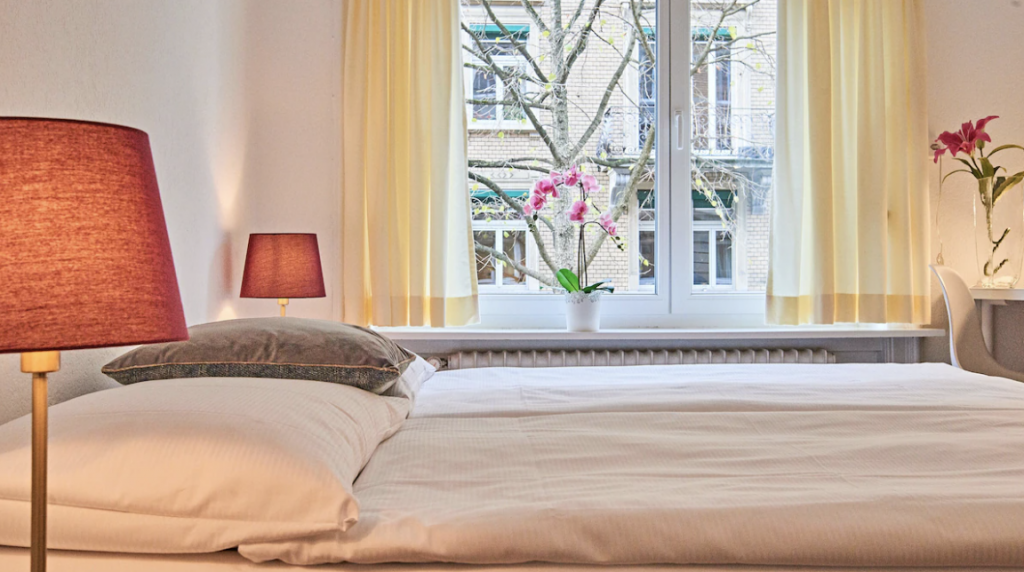
Near the City Center: Hotel St Georges Zurich Switzerland or Hotel Hottingen Zurich Switzerland
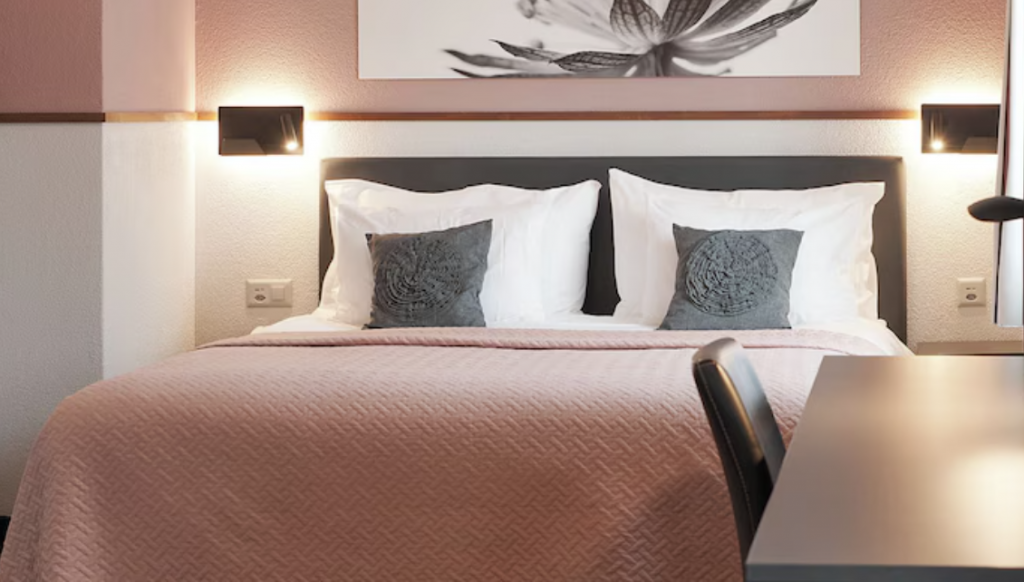
Breakfast is included in both of these hotels, and do not be deterred by “City Center”– it’s very enjoyable in it’s proximity and walkability, but isn’t a city that feels overwhelming.
Gentle things to do
- Lake Zürich promenade walk: Go early morning or golden hour for a quiet, floaty vibe.
- Tea + pastries stop: Felix or Sprüngli is a perfect “one beautiful thing” moment.
- Art or books: Kunsthaus Zürich if you want silence + beauty, or a cozy bookstore for a slower reset.
Sensory-friendly tips for Zurich
- Avoid Bahnhofstrasse at peak hours (midday shopping surge can feel like a sensory treadmill).
- Use trams to reduce decision fatigue; you’ll get “movement without effort,” which is ideal on travel days.
Food highlights (simple + nourishing)
Zurich is great for meals that don’t spike your nervous system: warm soups/broths, rösti, markets with fruit and bread, and cafés where you can sit without being rushed.
Train to Thun: Your Lakefront Home Base for Slowness (3 nights)
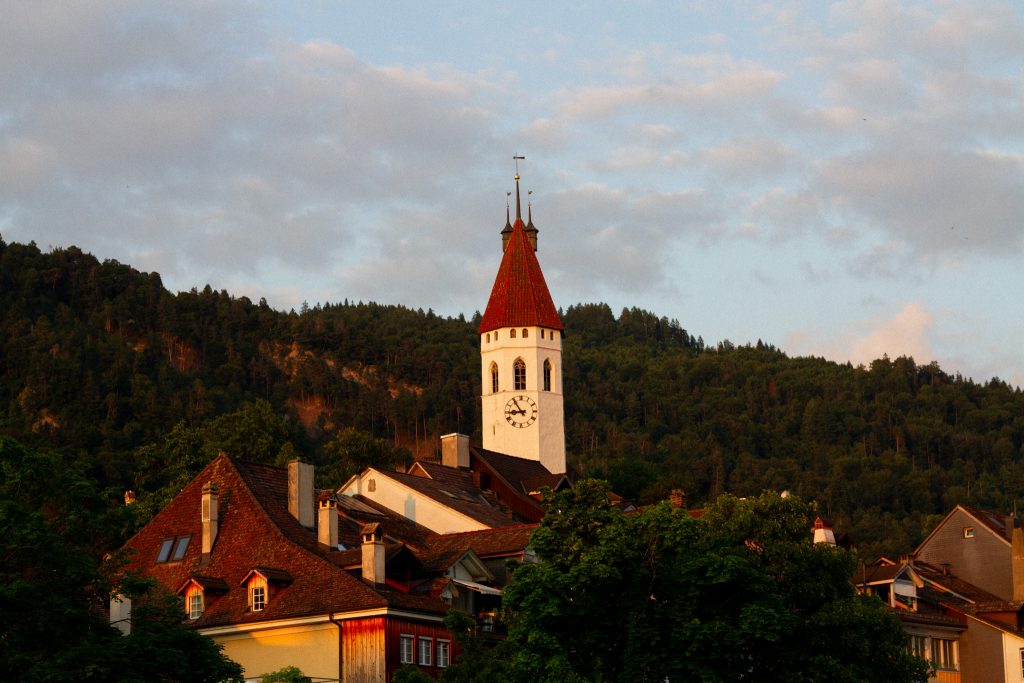
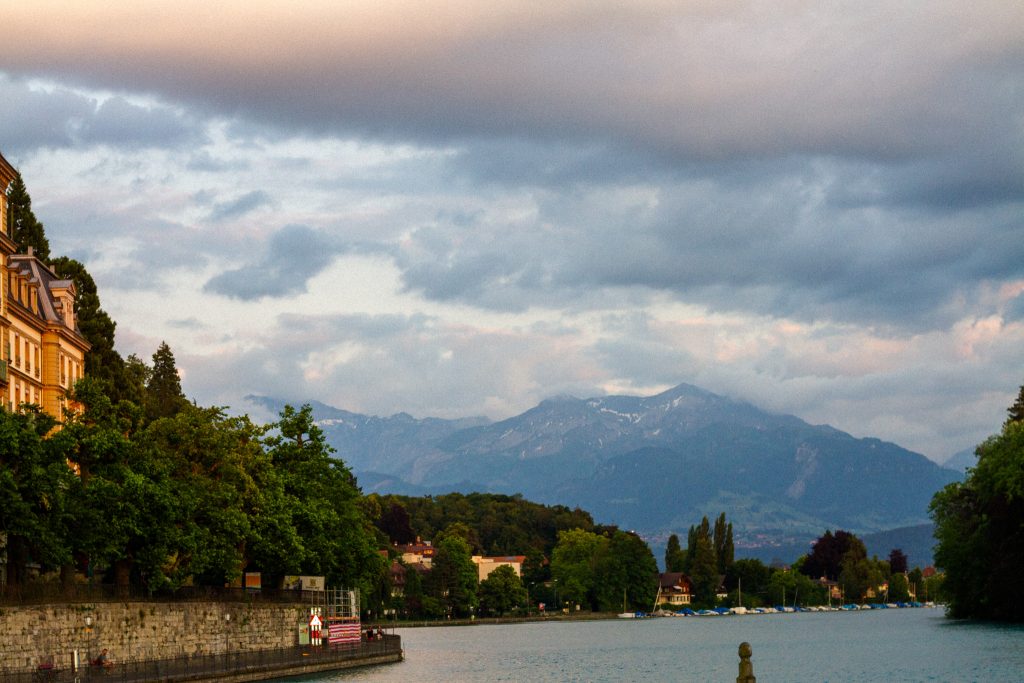
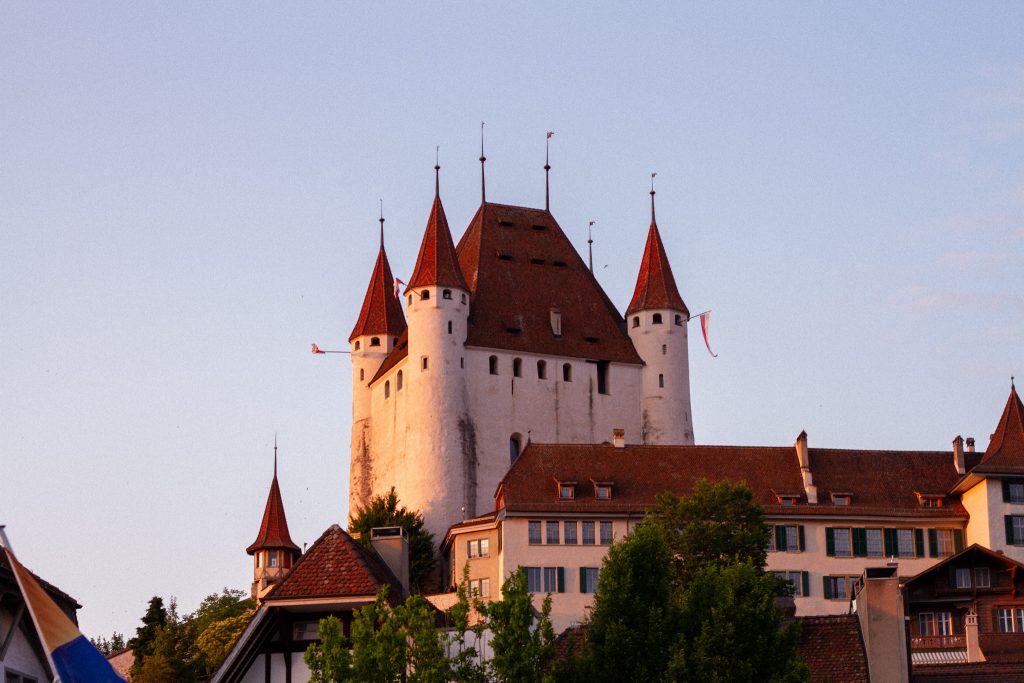
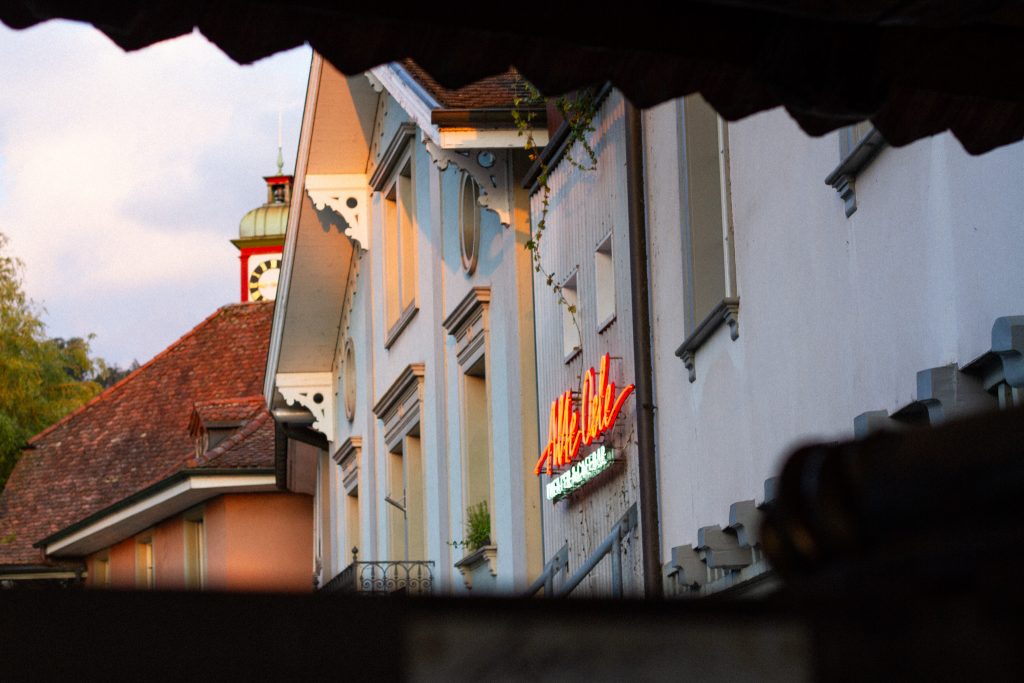
Thun is the unsung hero of this route. It’s quieter than Lucerne, has dreamy river bridges, and the lake-and-mountains combo feels instantly restorative—especially in the evenings.
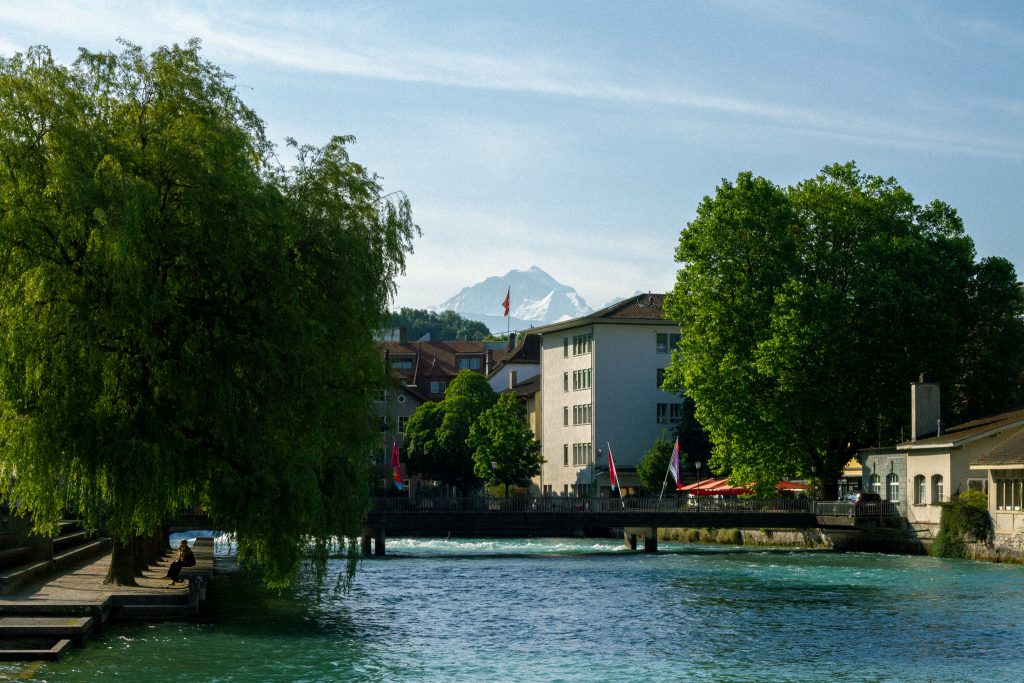
Why Thun works for slow travel
- Calm evenings (your body actually gets a chance to downshift)
- Easy access to the Bernese Oberland without staying in the busiest hubs
- Scenic “do nothing” options—benches, water, slow walks, repeat
Soft adventures in Thun
- Old Town + river bridges: Stroll without a plan; let yourself get slightly lost.
- Lake Thun boat ride: Choose a simple out-and-back or a short hop to enjoy the water without a packed schedule.
- Evening wind-down: Lakeside parks are made for post-dinner decompression.
Where to stay
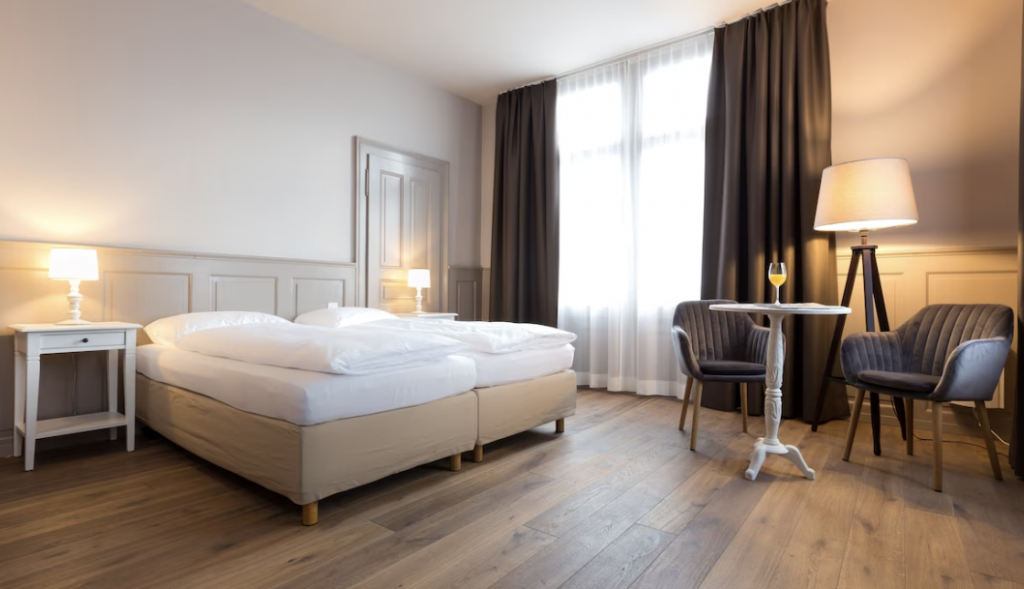
Hotel Emmental Thun Switzerland— this is where we stayed, it was within a convenient walking route and distance to everything we needed. There was a cowboy themed restaurant downstairs that provides breakfast, and was great to fall back on after days out-and-about. Bring earplugs as this place is on a busier roundabout.
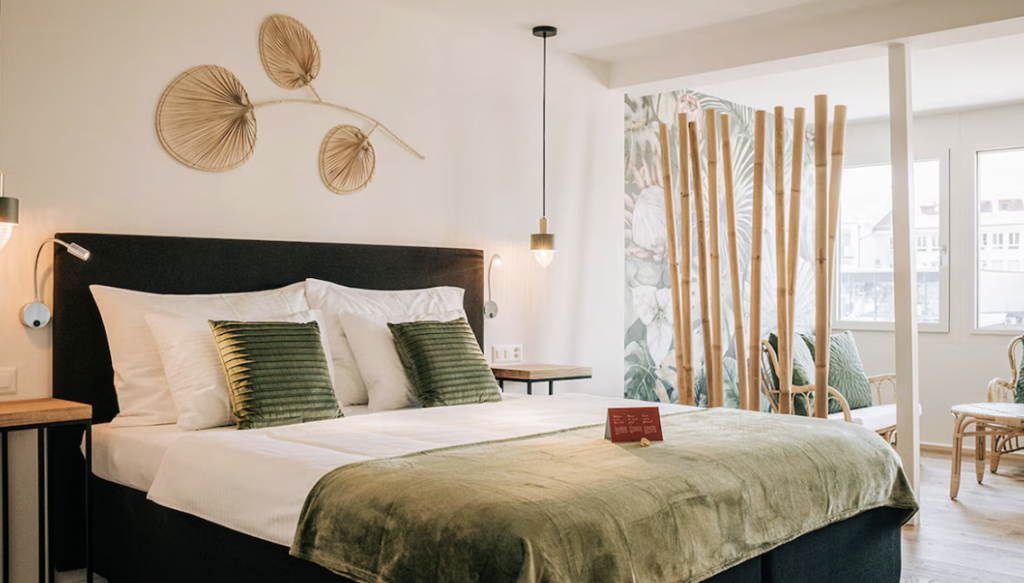
Hotel Krone Thun Switzerland— this is another one with a perfect location for daily strolls and wandering. It comes with breakfast, and looks full of luxury.
Day Trip Into the Alps: Interlaken→ Mürren (1 day)
The train journey: the nervous system upgrade
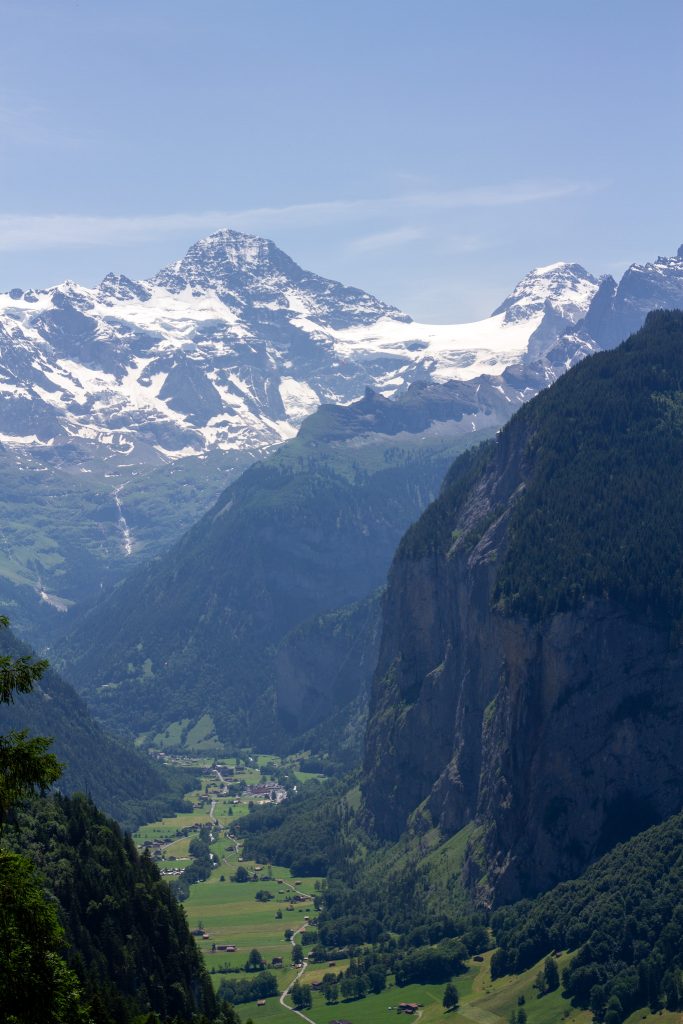
The climb into the mountains is half the magic. The train snakes upward into alpine stillness—pine air, soft sounds, wide views—and it’s the kind of sensory input that feels organizing rather than overwhelming.
Mürren for dinner (serene cliffside calm)
Mürren feels like a quiet mountain escape: cliffside views, cozy lights, and a slower pace once day-trippers fade. Pick a restaurant with warm ambiance and stay a little longer than you normally would.
- A short, easy path walk (choose the flattest option available)
- A café pause with something warm
Return to Thun (the decompression win)
Ending the day back by the lake is a strategy. Mountains can be awe-filled and stimulating in a good way; returning to a familiar calm base helps your system integrate it instead of crashing.
Zermatt: Mountain Magic + the Five Lakes Hike (3 nights)
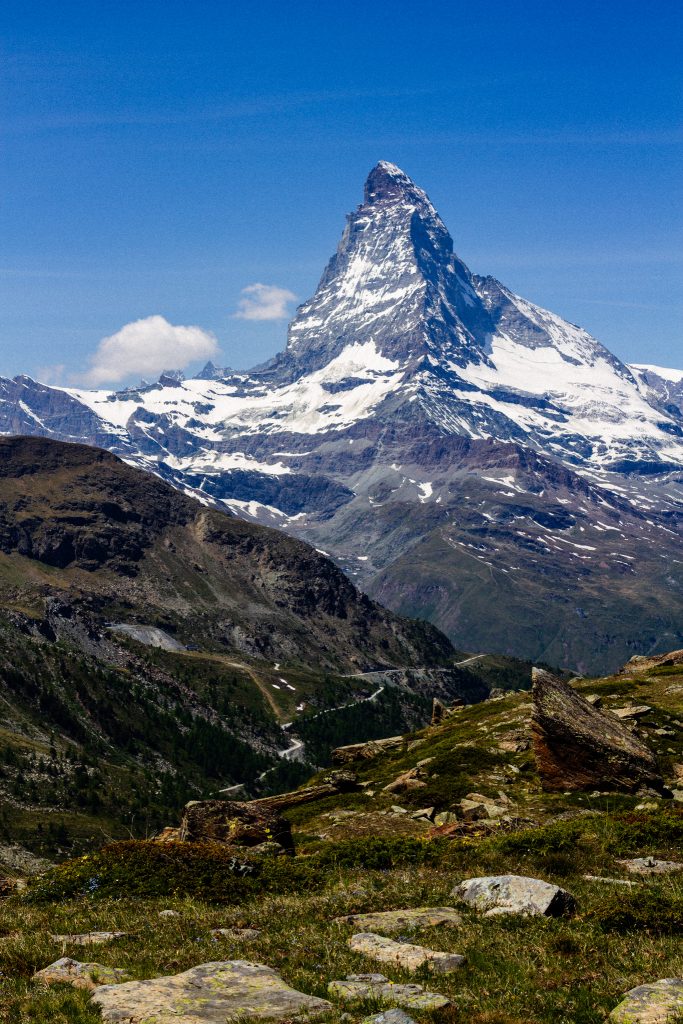
Zermatt is one of the best places to do slow travel Switzerland because it’s car-free, the air feels clean, and the whole town is built around moving gently through beauty.
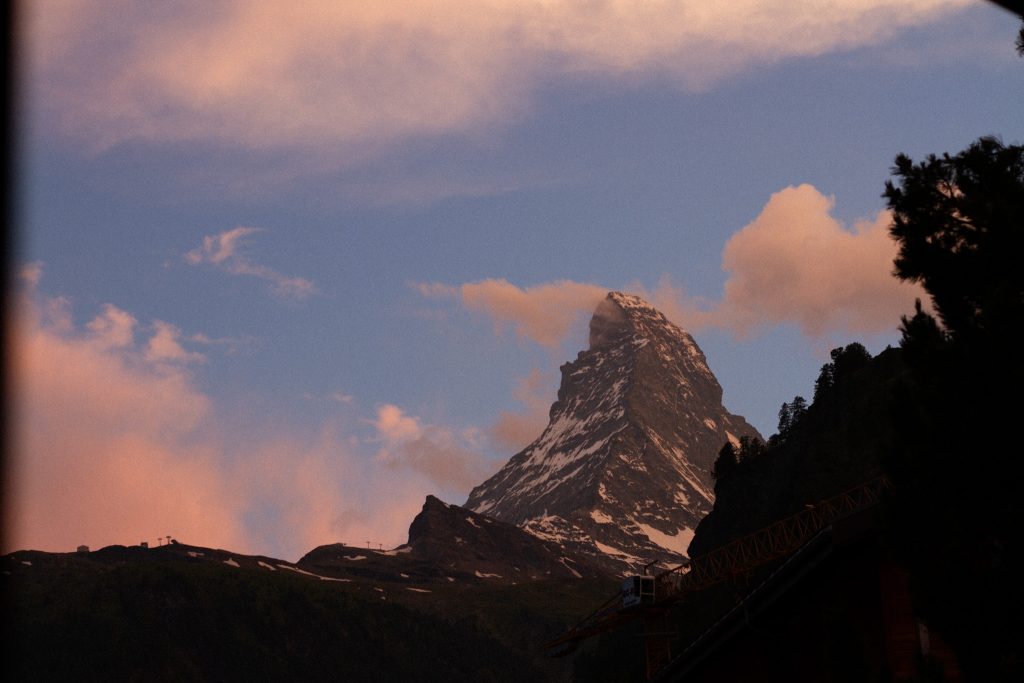
Train to Zermatt (set the tone)
Treat the train day as part of the experience, not a hurdle. Pack snacks you actually like, hydrate, and plan for a simple dinner when you arrive—no pressure to “maximize” anything.
Where to stay (Matterhorn view if possible)
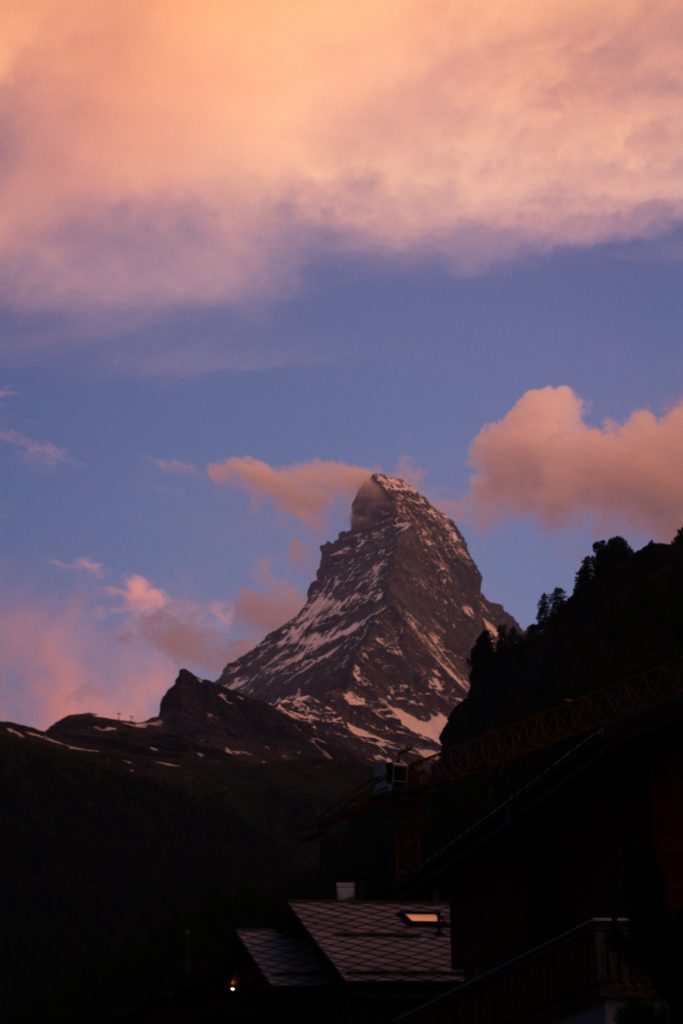
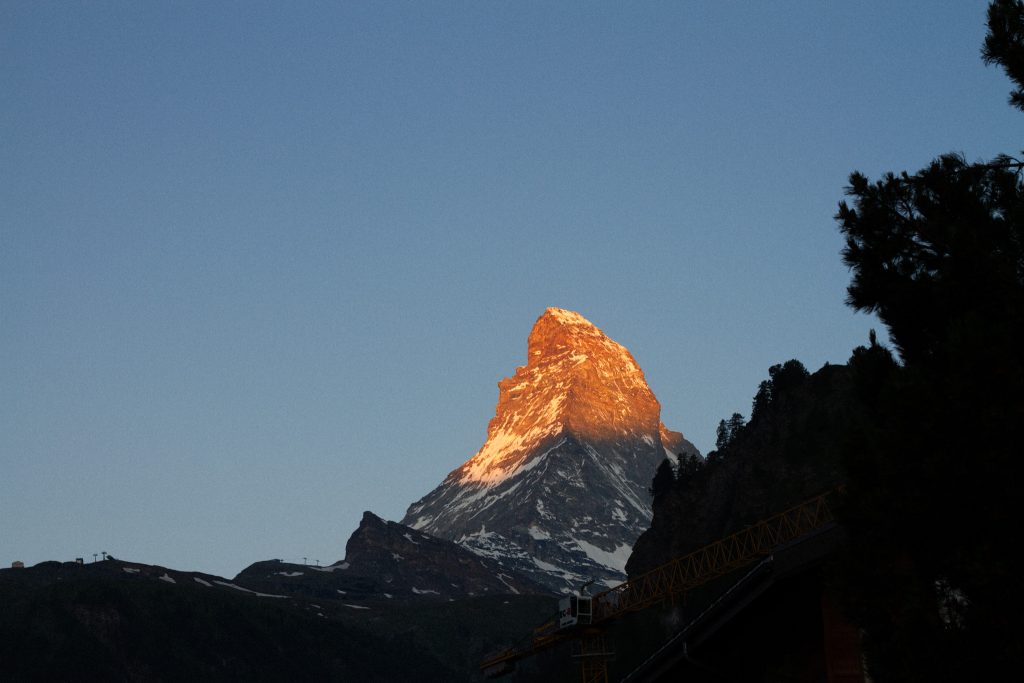
If you can choose a room with a Matterhorn view, do it. The ability to watch the mountain from bed (or a balcony) turns your hotel into a sanctuary.
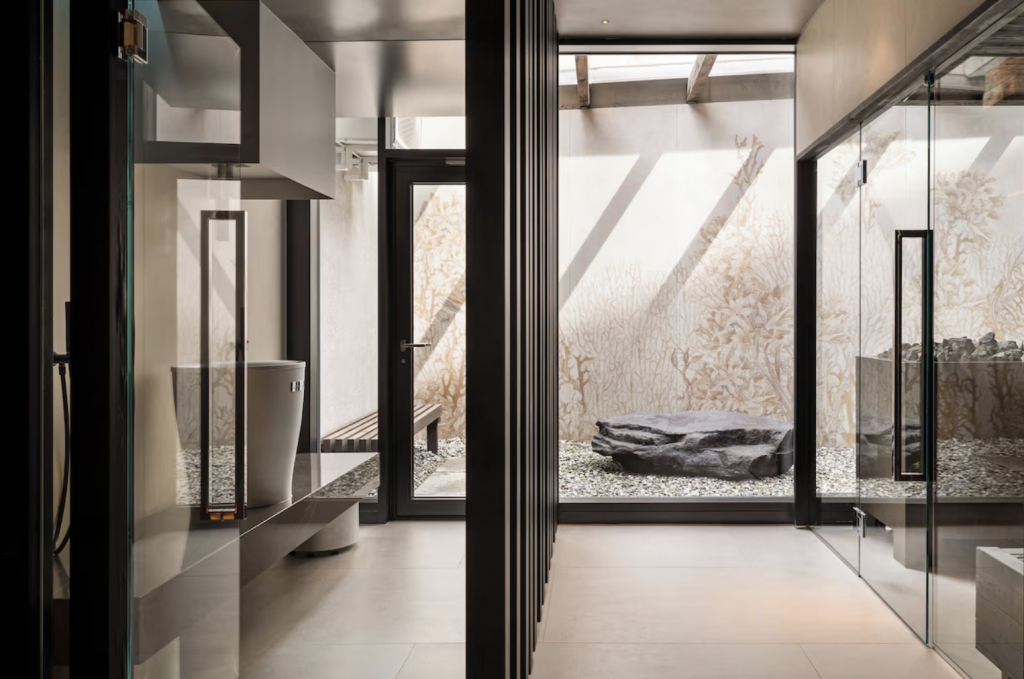
My pick for a restorative splurge: Schlosshouse Zermatt Wellbeing Rooms Suites Zermatt Switzerland. Alpine serenity awaits at the full-service CBD & Adaptogenic Spa with salt therapy rooms and saunas. Enjoy breakfast with local cheeses before relaxing in the pool or attending complimentary yoga. Steps from Zermatt’s train station with stunning Matterhorn views.
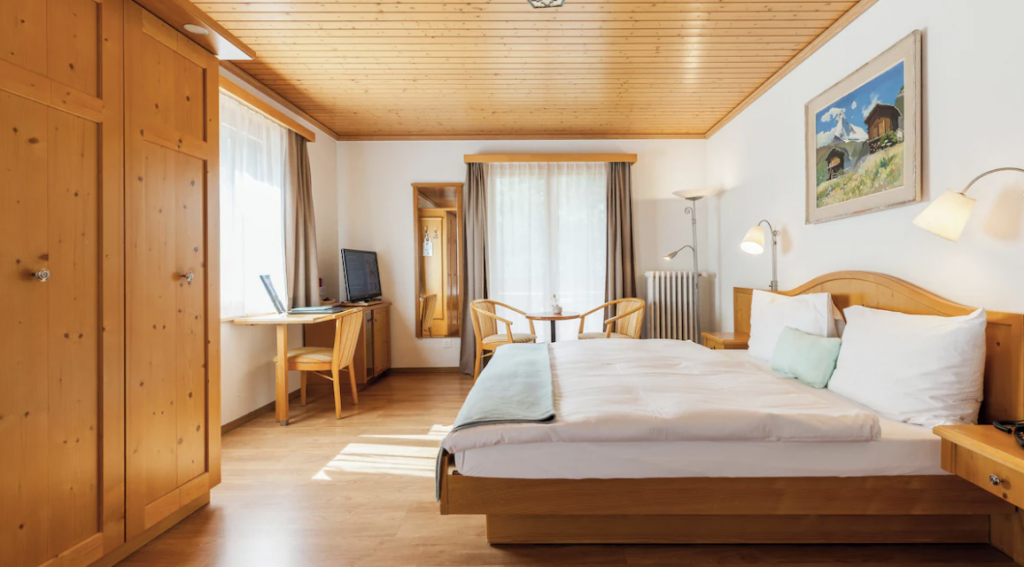
My pick for down-to-earth ease: Hotel Alpenblick Zermatt Switzerland. It offers a quiet yet central location, just a 5-minute walk from the town center and close to the cable car to Matterhorn Ski Paradise. The hotel features modern wellness facilities, including a sauna and fitness room, and provides free Wi-Fi throughout. (The sauna was closed when we were there, so confirm before arriving if this is important to you.) The front desk was so kind and helpful, and they upgraded us to a room with a view of Matterhorn!
The Five Lakes Hike (sensory-friendly version)
This is a beloved hike, and it can still be gentle—if you do it with the right pacing and timing.
What makes it accessible (when planned well):
- You can break it into sections and treat each lake as a stopping point
- There are natural “rest anchors” (views, benches, photo spots)
- The goal can be “one lake + a picnic” instead of “finish everything”
How to do it gently:
- Start earlier than you think for fewer crowds and calmer energy.
- Build in pauses on purpose: 10–20 minutes at a quiet lookout is not “wasting time,” it’s the point.
- Keep your inner narrative soft: you’re here to absorb, not to conquer.
Best time of day for minimal crowds:
Morning, especially on weekdays. Late afternoon can also soften as people head back, but weather can shift— bring layers.
One memorable luxe dinner
Choose one fancy hotel dinner and make it an event. Slow down. Order something warm. Stay for dessert. Let the ambiance do the work—this is often the most “Swiss” memory you’ll take home.
We ate at The Grill at Zermatt Hotels Parkhotel Beau Site— such an incredible dinner!


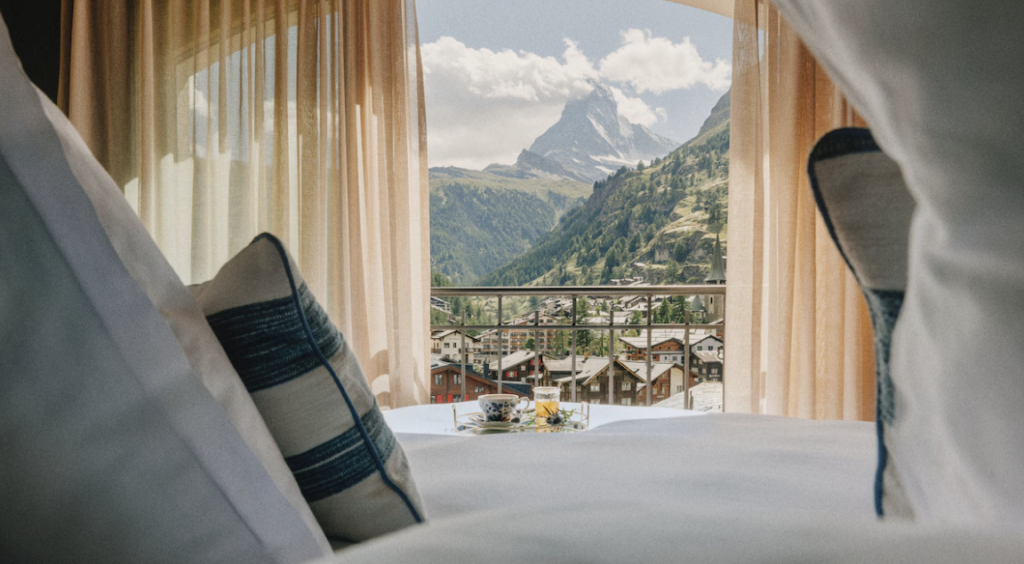
Gentle extras (that feel like care)
- Sunrise Matterhorn viewing from your hotel (even 10 minutes counts)
- Spa/sauna time if your body needs warmth and recovery
- A short scenic ride day if hiking feels like too much
Train to Geneva: Elegant Slow Urban Strolling (2 nights)
Geneva is a soft landing after mountain days: promenades, gardens, calm neighborhoods, and plenty of places to sit and stare at the lake like it’s your job.
Why Geneva works for sensory-friendly travel
- Lakeside walking routes with “escape hatches” (benches, parks, cafés)
- Green spaces that feel cooling and quiet
- A gentle city energy if you avoid peak tourist clusters
What to explore (keep it light)
- Old Town: Go early to avoid crowds and enjoy the hush of morning streets.
- Parc La Grange or botanical gardens: Perfect for slow loops and low stimulation.
- Lakeside cafés: Pastries + tea + people-watching = effortless pleasure.
- Boutique chocolate shops: Choose one or two, not ten. Let it be special.
Where to Stay
Ibis Styles Geneve Carouge Carouge Switzerland
Stay Kooook Geneva Online Check In Geneva Switzerland
Ruby Claire Hotel Geneva Geneva Switzerland
Slow Travel Packing List: Sensory-Friendly Essentials
Here’s the minimalist version—the stuff that makes travel feel smoother.
Comfort + regulation
- Noise-reducing earplugs (and/or noise-canceling headphones)
- Eye mask + simple sleep support (tea, magnesium if it works for you)
- Electrolytes (especially with hiking + travel days)
Clothes + layers (Switzerland is a layer country)
- Soft base layers (merino or whatever doesn’t itch)
- Light rain jacket
- Warm mid-layer (fleece or sweater)
- Comfortable walking shoes you’ve already tested
Practical
- Universal power adapter
- Small daypack + reusable water bottle
- Blister care
Switzerland Budget Breakdown (realistic ranges)
Switzerland can be expensive, but the train-based ease often replaces other costs (car rental stress, parking fees, long drives).
Typical ranges (per person, per day):
- Hotels: mid-range often higher than you’d expect; splurges add up fast
- Food: cafés (or grocery stores) + simple meals help balance out one “wow dinner”
- Transit: rail passes can be a great value depending on how often you move
- Hikes/railways: some mountain routes and lift systems are additional
Final Thoughts: Switzerland as Slow Travel
There’s something about Switzerland that gently insists you slow down. Mountains create spaciousness. Lakes invite you to sit. Trains remove friction. Over time, you start to realize the trip isn’t about checking boxes—it’s about building a calmer inner pace you can bring home.
If you want slow travel Switzerland to feel truly restorative, treat “less” as a skill you’re practicing. Choose a few anchors, repeat what you love, and let quiet joy be enough.