

A Marriott-based itinerary for low-stimulation, slow-paced European travel.
Affiliate note: Some links may be affiliate links, which means I may earn a small commission at no extra cost to you. I only share what fits The Slow Path: calm, simple, and worth it.
Why Denmark Is Ideal for Slow, Sensory-Friendly Travel
Denmark feels like an exhale.
The culture is quiet without being cold. Design is clean without being sterile. Cities are easy to navigate, and the pace tends to be mellow. The perfect place for open air and long walks with nowhere urgent to be.
If you’re a traveler who does best with predictable environments, soft stimulation, and small moments, Denmark is one of the gentlest places in Europe to road trip.
The route
Copenhagen → Lyngby → Frederiksberg / Hillerød → Funen → Horsens → Aarhus → Esbjerg → Copenhagen
This itinerary is built to feel supportive: consistent hotel comfort, nature breaks between “big” stops, and enough flexibility to slow down when your nervous system asks for it.
Arriving in Copenhagen: A Gentle Landing
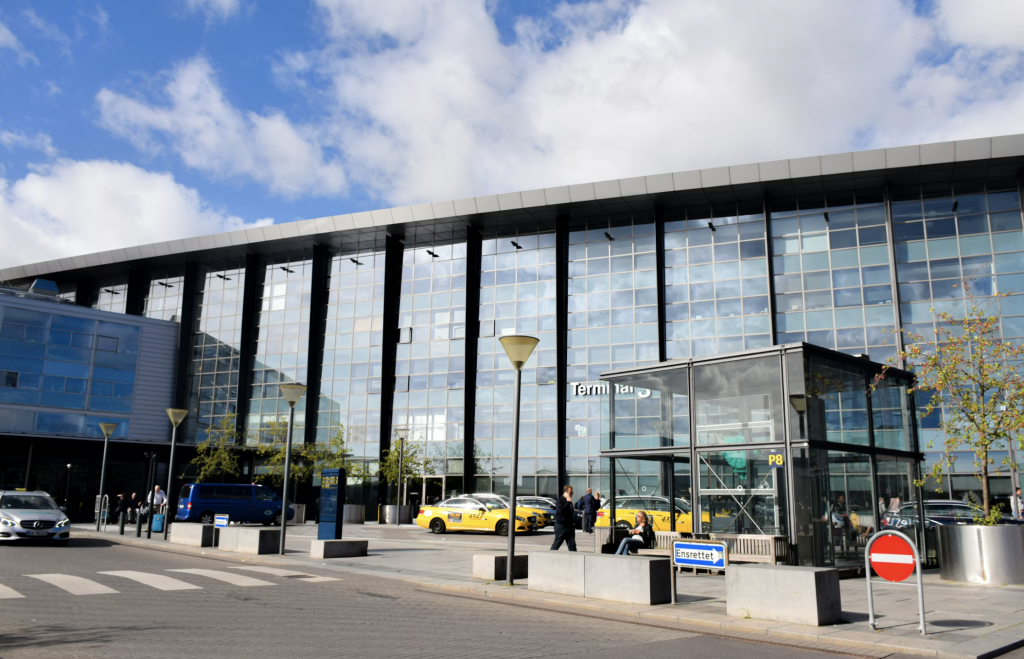
Fly Into CPH (Kastrup Airport)
CPH is one of the calmer airports to land in—clear signage, orderly flow, and easy connections into the city.
Sensory-friendly arrival tips:
- Give yourself a “quiet buffer” before you do anything social or ambitious.
- Use noise-canceling headphones the moment you leave the plane—preventative calm works better than repair.
- If you’re sensitive to temperature shifts, keep a thin layer accessible in your carry-on.
- Choose the simplest transfer option (train or taxi) and don’t over-optimize it.
Pick Up Your Rental Car
Choose comfort like it matters (because it does).
What to look for (sensory-friendly):
- quiet cabin
- adjustable seat + steering
- smooth ride (avoid the tiniest car if it tends to feel “tinny”)
- simple tech interface (less fiddling)
A Grounding Walk at the Eastern Beach
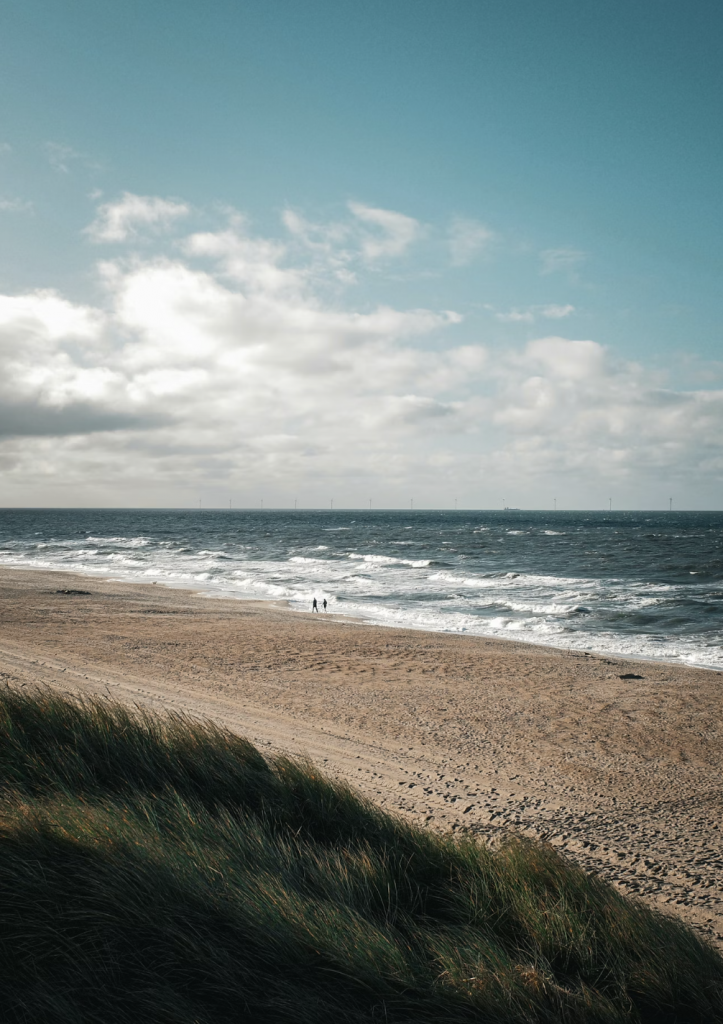
Before you “do” Copenhagen, let your body arrive. A calm Baltic shoreline walk (even if it’s grey) is grounding after a long flight. Walk slowly. Watch water. Let your eyes focus far away. On our way we stopped at their grocery chain Netto and grabbed a super easy bit from their premade cold food and some snacks for the rest of the day. This is the grocery chain with a yellow circle logo and black dog icon you can find in most towns.
What to bring:
- a light scarf or wind layer
- comfortable walking sandals or sneakers
- simple sun protection if it’s bright (Denmark can surprise you)
Nyhavn before Midday (With a Crowd Strategy)
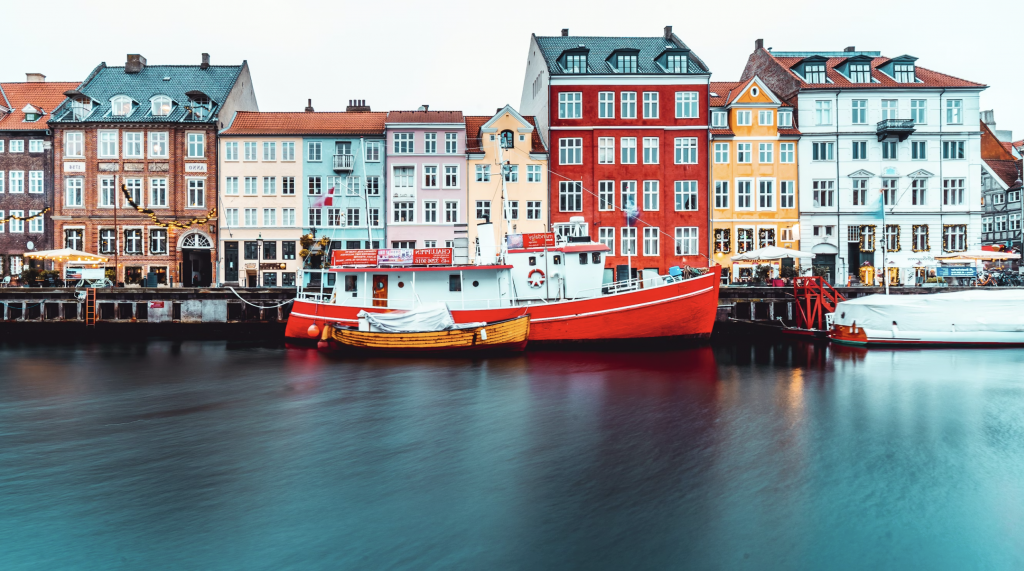
Nyhavn is beautiful— yet also the most likely place to overwhelm you.
Go midday on a weekday, or earlier than you think. Walk it once, take a few photos, then step away to somewhere quieter.
Sensory-friendly strategy:
- Aim for a short visit (20–40 minutes).
- Stand near the edge, not in the center.
- Give yourself a “soft exit” plan: a café, a bookstore, a bench, a slow street.
Freetown Christiana
I wish we spent a whole day here! Christiania is Copenhagen’s most unusual neighborhood— part counterculture, part quiet green pocket, part living social experiment. If you go, treat it like a slow walk rather than a “must-see.” Stick to the calmer edges, notice the art and architecture, and leave if the energy shifts. It can feel creative and grounding for some travelers, and overstimulating for others so plan a gentle exit (a nearby café, canal walk, or back to your hotel) just in case. They have food, drinks, artwork, cute shops, live music, art museums and more.
Banksy Museum (Quirky, Contained, Easy to Navigate)
This is one of those unexpected stops that works well for sensitive travelers: you’re inside, it’s structured, and you can move through at your own pace without needing “big energy.”
If you love art but get overstimulated by massive museums, this can be the right size.
Check-In: Four Points Flex by Sheraton Lyngby
If you know you do best with consistency, Marriott-style predictability can feel like a nervous-system safety net.
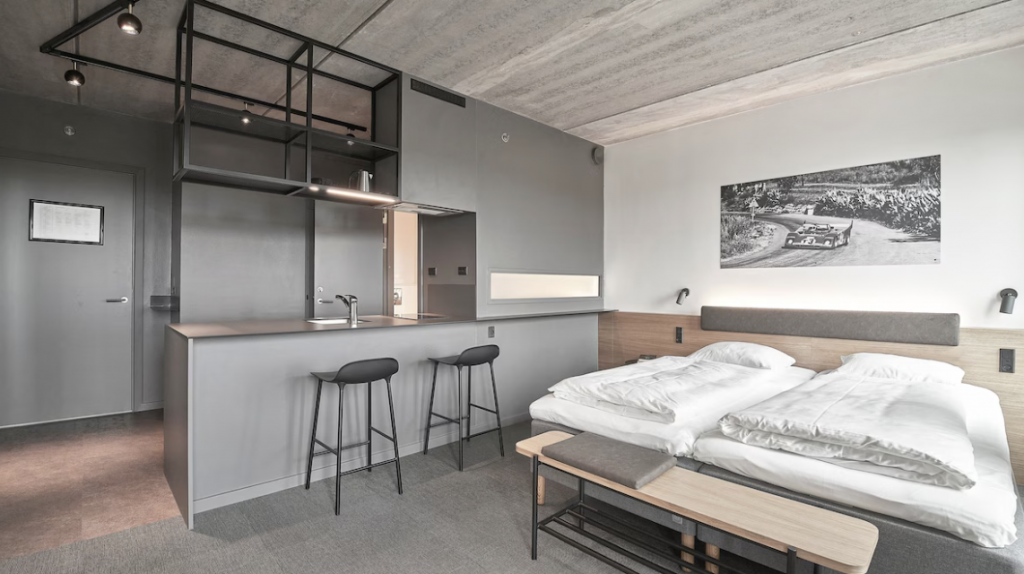
Why it works for sensory-friendly travel:
- quiet, controlled room environment
- reliable bedding and amenities
- easy “reset” rituals: shower, tea, lights low, early sleep
- staff used to international travelers (less friction)
Slow Path tip: Tonight is for recovery. Not “making the most of it.”
Nearby restaurant pick: Madklubben Lynby
Most incredible dishes I have had in so long, and the exchange rate made it feel like we were eating like a king & queen! It wasn’t super packed and we chose inside dining. There is a carpark right underground of this place. Madklubben Lyngby is an easy, dependable dinner choice when you want a good meal without decision fatigue. The vibe is lively but not fussy—classic crowd-pleaser dishes, warm service, and a menu that works for groups and tired travel nights. If you’re sensory-sensitive, aim for an earlier reservation and ask for a quieter table; it’s the kind of place that makes you feel taken care of when you just want to eat well and go back to resting.
Road Trip Day: Castles, Vikings & Quiet Villages
This is a full day—but it doesn’t have to feel like a marathon. The key is choice: you’re selecting the version of the day your body can handle.
Stop 1: Frederiksborg Castle (Hillerød / Frederiksberg Area)
This is a “beauty stop”—gardens, water, space to walk slowly.
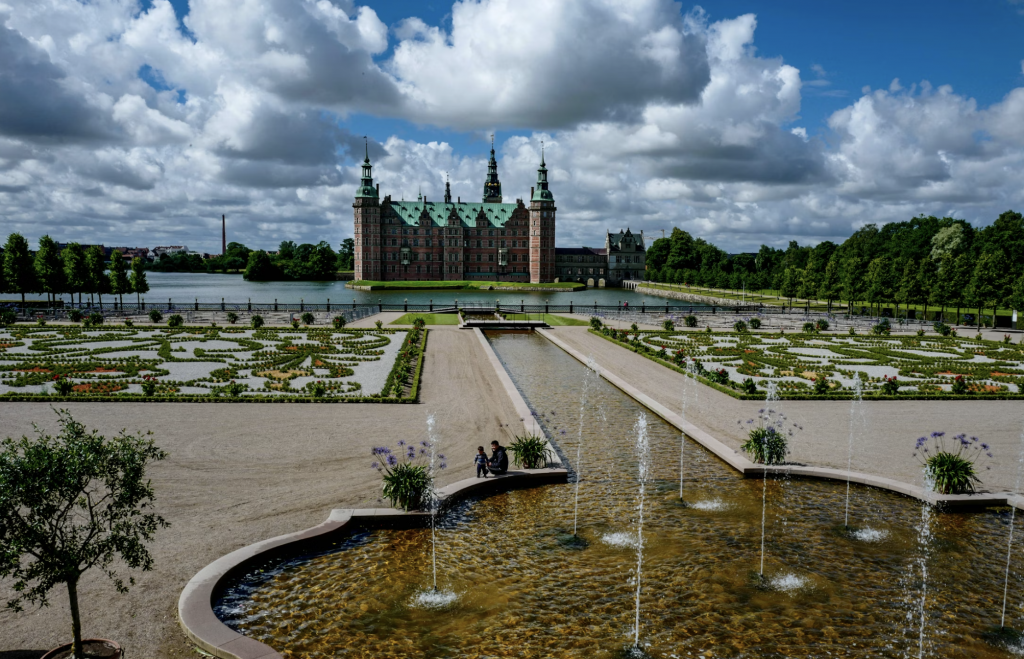
Make it sensory-friendly:
- Start outside first (gardens before interiors).
- Keep lunch simple and calm nearby.
- If the inside gets busy, you already got the main nervous-system benefit from the grounds.
Stop 2: “Little Tilde” Sculpture (Forest Walk)
A small, whimsical nature pause is sometimes the most memorable part of a day.
Let this be a low-stimulation walk: quiet path, gentle movement, a little wonder.
Stop 3: Viking Ship Museum (Roskilde)
This is hands-on without being chaotic—especially if you pace it like a slow stroll rather than a checklist.
Slow Path pacing:
- wander → read only what you want → step outside → come back in if you feel resourced
(Optional) Stop 4: Ladby Viking Museum (Funen)
Quieter. More atmospheric. Less “tour group energy.”
If you’re someone who loves history but hates crowds, this kind of remote, specific museum is gold.
(Optional) Stop 5: Egeskov Castle (Choose Your Sensory Level)
Gardens. Trees. Shaded paths. You can keep this gentle or make it big.
Pick your version:
- Low stimulation: gardens + slow paths + a bench
- Medium: add a small exhibit or viewpoint
- High: treetop walk + more exploration
Check-In: Four Points Flex by Sheraton Horsens
Let Horsens be your reset point— especially after a driving day. It’s not the most scenic area, but a great stop-over point
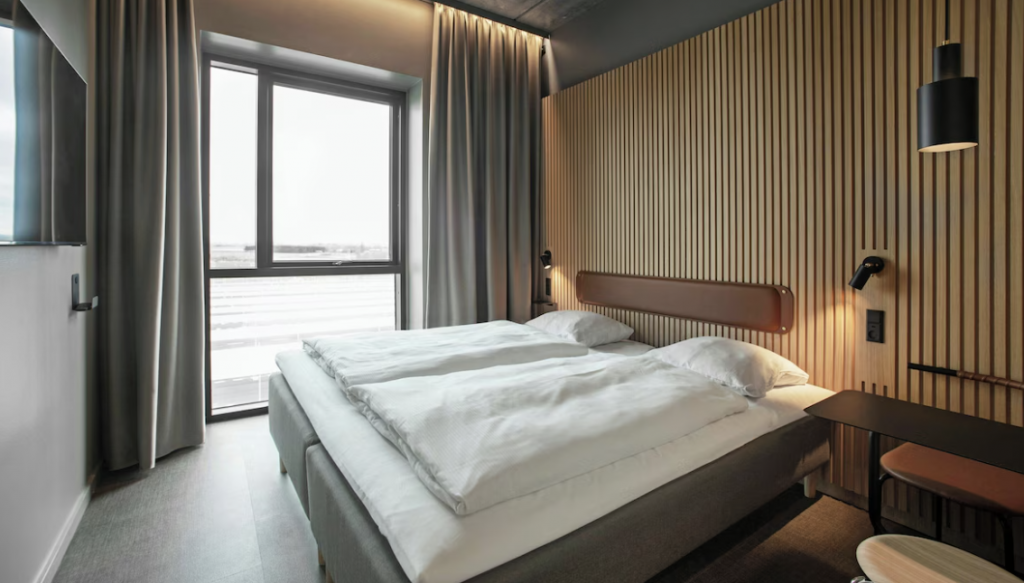
Evening plan:
- shower
- simple dinner
- early night
- tomorrow starts slow
Several Slow Days in Aarhus
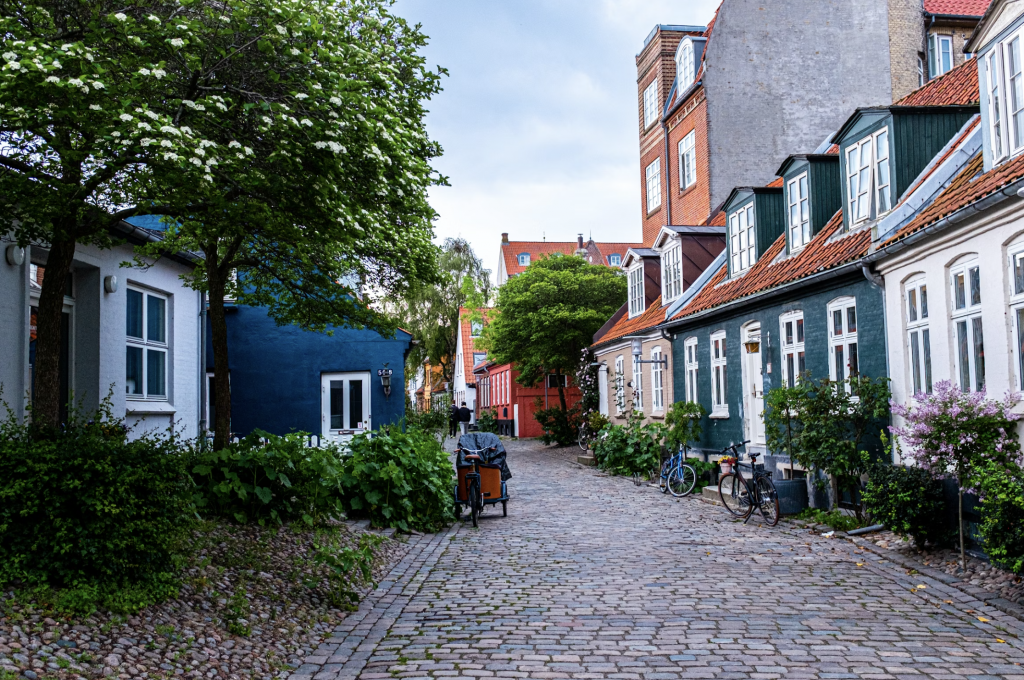
Aarhus is a calm city that still feels interesting—perfect for slow mornings and gentle culture.
Check-In: Four Points Flex by Sheraton Aarhus Skejby
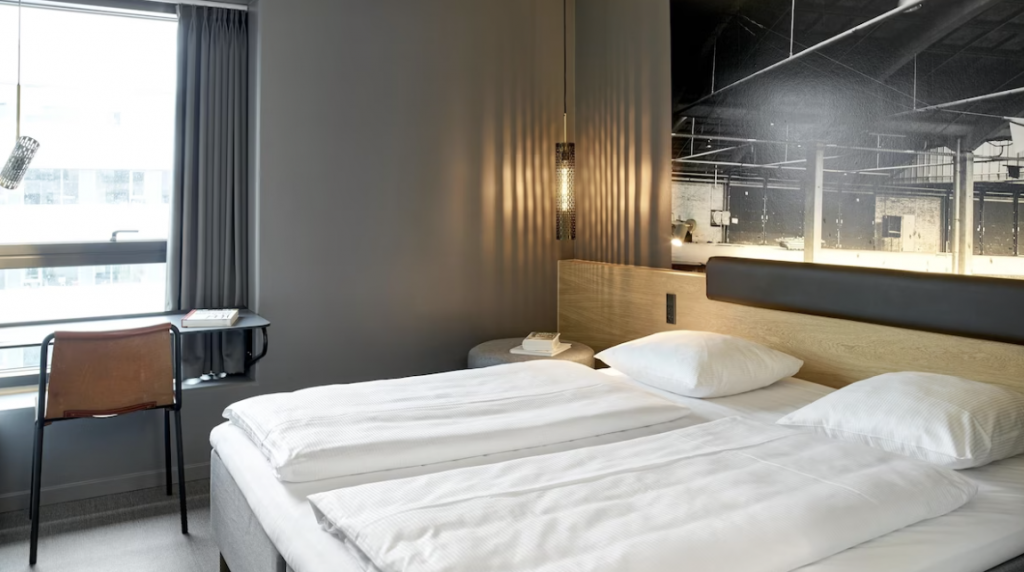
Prioritize a room that supports sleep and decompression: quiet side, good curtains, and a simple layout that doesn’t feel visually busy. This one is a little more removed from the city center, but it’s all the better for the quiet.
Slow Shopping: Curated Scandinavian Boutiques
Aarhus is excellent for slow browsing—simple silhouettes, natural textures, beautiful objects.
Sensory-friendly approach:
- go early
- touch fewer things
- pick one neighborhood
- leave before you’re tired
A few favorites:
- Modstrom – like Madewell, but better
- Magasin Aarhus – like Nordstroms, but better
ARoS Art Museum (Go Early, Keep It Soft)
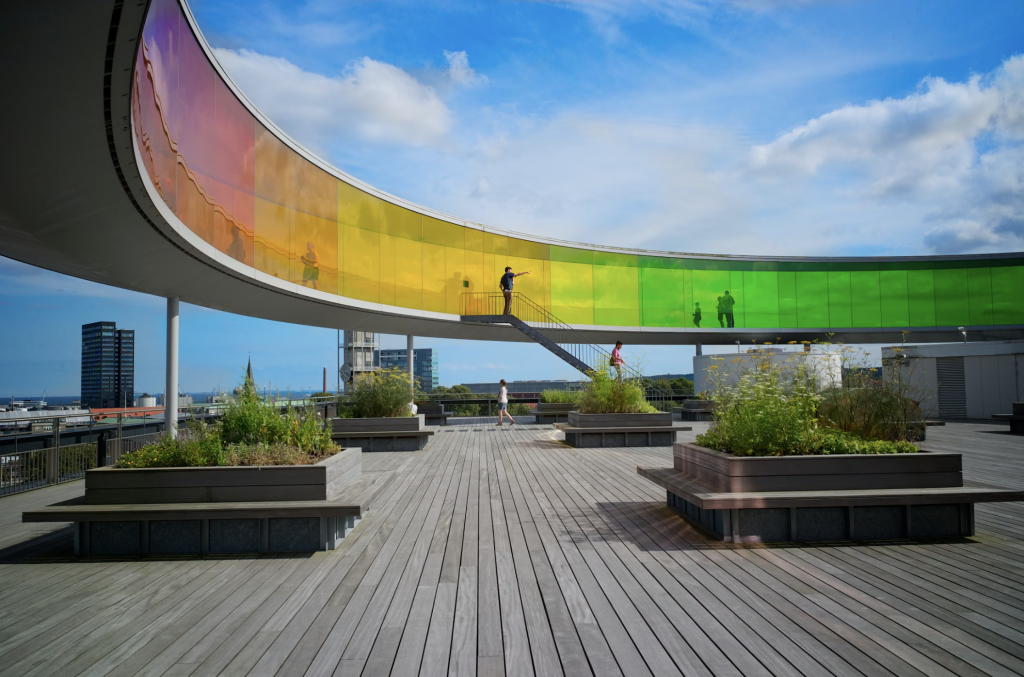
Yes, the rainbow panorama is iconic. And yes, it can be a little stimulating if it’s crowded.
Your best move: go early and treat it like a quiet walk, not a must-see performance.
Infinity Bridge Walk (Nervous-System Gold)

Wide water views. Spacious air. A gentle horizon.
This is the kind of place where your body remembers how to regulate.
Pro tip: go earlier in the day to avoid excess people.
Old Town Museum (Den Gamle By)
Open-air history with little pockets of quiet.
Sensory-friendly strategy:
- start with the quieter streets
- step into exhibits only when you feel curious
- leave while you still feel good
Local Cafés: Where You Can Exhale
In a sensory-friendly Denmark road trip, cafés matter. They’re the buffer zones. The soft places between the “doing.”
Look for:
- natural light
- simple menus
- seating with space
- a corner table where you can watch without being watched
Final Stretch West: The Quiet Coast
Drive Toward Esbjerg
This part of the drive feels open. Less cluttered. Like the landscape is helping you decompress.
Make it a soft day:
- audiobook or quiet playlist
- planned rest stop
- simple snacks and hydration
Stop: Restaurant Rummelig (A Cozy Midpoint Meal)
A warm meal in the middle of a longer drive can completely change your nervous system.
If you can, reserve ahead so you’re not making decisions hungry and tired.
Walk Den Genfundne Bro (“The Recovered Bridge”)
A sweet woman who owns Fru Skov, a French-inspired home & kitchen gift shop (down the street from Restaurant Rummelig, perfect for an after lunch stroll) told us about this next great walk. It’s an easy nature stop with a tree-lined walkway that leads to a bridge over a river. You can even walk down to the rivers edge. Bonus: there’s a restroom on the walk, one less place to find a pit-stop along the drive!
Arrive in Esbjerg
Esbjerg feels like a working coastal town—minimalist, practical, not trying to entertain you.
That’s exactly why it can be restorative.
Slow evening plan:
- check in
- coastal walk if you have energy
- early dinner
- low light, low noise, long sleep
What Makes Denmark a Dream Destination for Slow Travelers
Denmark supports the kind of travel that doesn’t ask you to perform.
- Predictable, calm environments
- Easy mobility between cities
- Clean design that reduces visual noise
- Excellent food without constant hustle
- A cultural pace that feels… gentle
If you’ve ever wanted Europe without the nervous-system cost, a sensory-friendly Denmark road trip can be the answer.
Digital download idea:
- Denmark Packing List (sensory-friendly edition)
- Slow-Travel Journaling Prompts
- “Calm Travel Kit” checklist (earplugs, eye mask, layers, hydration)
Closing: Your Next Gentle Step
If you want more trips like this—quiet, beautiful, realistic—I share sensory-friendly itineraries inside my newsletter.
Next steps:
- Join the newsletter for low-stimulation Europe routes
- Browse my affiliate links (Marriott stays, rental cars, calm travel essentials)
- Save this post for when you’re ready to plan slowly— at your pace, on your timeline
Because the goal isn’t to see everything– it’s to deeply enjoy the few things you do see.

Leave a Reply